Round Lake Beach Top Landscaper for Lawn Maintenance and Design
Round Lake Beach Top Landscaper for Lawn Maintenance and Design
Blog Article
Skilled Landscaping Expert for a Beautifully Arranged Backyard Area
A professional landscaper plays an essential role in converting outdoor spaces into visually attractive retreats. Their expertise lies in assessing site challenges and selecting suitable plant species. By harmonizing colors and textures, they design functional designs. Additionally, they apply sustainable practices that help the environment. The potential impact of these transformations on property value poses important questions about the benefits of spending on professional landscaping. What particular advantages can one expect from such an investment?
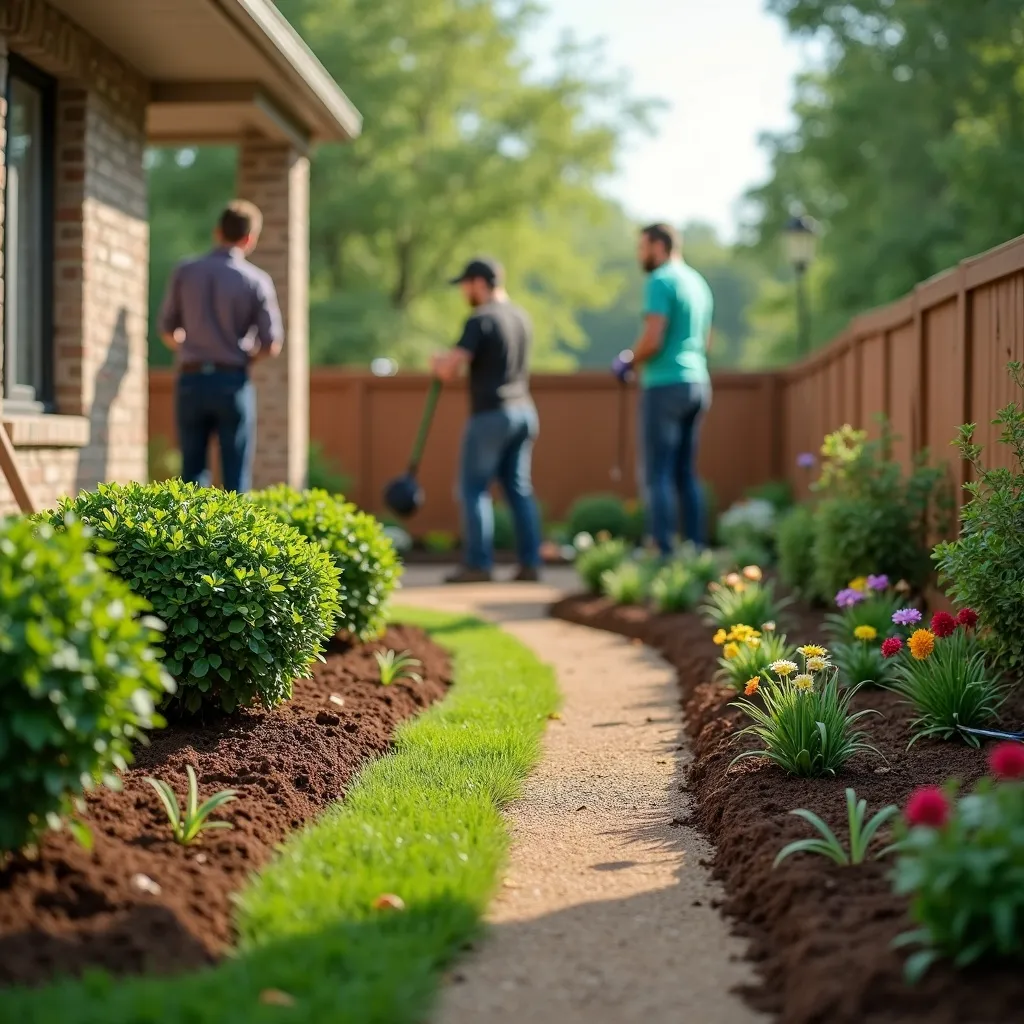
Tackling Typical Landscaping Difficulties With Expert Guidance
While many homeowners desire to design stunning outdoor spaces, they often encounter various landscaping challenges that can be overwhelming to handle by themselves. Issues such as inadequate soil conditions, insufficient water management, and the selection of appropriate plant species can hinder even the most devoted plant lover. Expert landscape designers possess the skill to evaluate these challenges successfully. They can recommend ground improvements, implement adequate water drainage systems, and select vegetation that thrive in particular environments.
Additionally, landscaping efforts involve aesthetic components that require a discerning eye for functionality and beauty. Specialists can build harmonious designs, confirming that natural plantings and structural features complement one another. By applying their background, homeowners can prevent expensive mistakes and common problems. Throughout this collaborative process, experts not only upgrade the appeal of exterior environments but also guarantee long-term sustainability. As a result, obtaining professional support can shift daunting landscaping obstacles into feasible projects, yielding beautiful outcomes.
The Effect of Skilled Landscaping on Landscape Planning
Expert garden design greatly enhances the visual appeal of landscape projects, converting standard spaces into visually stunning settings. By utilizing well-planned arrangements and vegetation choices, professionals also optimize functionality, guaranteeing that gardens provide both aesthetics and utility. This combined effect fosters spaces that are not only attractive but also functional for everyday activities.
Aesthetic Appeal Enhancement
A expertly planned landscape can significantly improve the visual attractiveness of any outdoor area, transforming a plain garden into an enchanting retreat. Skilled landscapers hold the expertise to combine colors, materials, and shapes, ensuring every component enhances one another. By including diverse plant species, careful feature placement, and deliberate use of materials, they form remarkable settings. The presence of focal points, like sculptures or water features, guides the gaze and adds character, while paths and borders define flow and structure. Moreover, seasonal interest is thoughtfully considered, read now allowing gardens to progress throughout each season. In the end, the artistic vision and craftsmanship of professional landscapers create spaces that inspire admiration and tranquility, enriching the overall outdoor living experience.
Practical Space Improvement
Effective garden design goes beyond mere aesthetics; it also plays a pivotal role in optimizing functionality within outdoor spaces. Professional landscapers assess the distinctive characteristics of a site, considering factors such as sunlight, soil type, and existing structures to create designs that enhance usability. They implement features like pathways, seating areas, and raised beds, ensuring that outdoor spaces serve multiple purposes. By integrating elements such as irrigation systems and native plant selections, they promote sustainability while minimizing maintenance efforts. Moreover, a well-planned layout can improve traffic flow, making spaces more navigable and enjoyable. Ultimately, professional landscaping transforms gardens into functional environments that meet the diverse needs of homeowners, blending beauty with practicality for a harmonious outdoor experience.
Finding the Perfect Plants: Professional Tips for Choosing and Positioning
When selecting plants for an outdoor space, understanding the exact requirements and design aspirations is vital for achieving a harmonious landscape. Factors such as solar exposure, terrain composition, and climate are fundamental to choosing plants. For reference, shade-loving plants thrive under tree shade, while sun-loving varieties need open spaces.
Furthermore, evaluating the aesthetic quality is essential. Color schemes, finishes, and seasonal variations should align with the overall design concept. To create dimension, experts typically suggest layering plants by size and structure, making certain taller plants are positioned at the back and shorter ones in the front.
Moreover, incorporating indigenous flora can promote biodiversity and reduce maintenance obligations. Lastly, it is advisable to group plants with equivalent moisture and nutritional requirements to forge a more sustainable planted space. By executing these expert tips, one can produce a exquisitely balanced outdoor space that conveys personal aesthetic and environmental compatibility.
Functional Hardscapes: Pathways and Decks
Pathways and patios are essential components in outdoor design, boosting both utility and aesthetic appeal. Numerous materials and design options allow for tailoring, catering to individual preferences and landscape needs. Understanding the benefits of hardscapes can substantially elevate the usability and charm of any outdoor space.
Advantages Related To Pathways
A professionally designed pathway boosts both the visual appeal and functionality of exterior environments. Footpaths serve as essential links, directing people through gardens, yards, and patios while forming a clear circulation pattern. They maximize accessibility, facilitating smooth passage and limiting grass wear. Additionally, pathways are able to mark zones, establishing designated spaces for leisure or entertaining. Assorted materials, including stone, brick, or gravel, provide multiple style options, allowing property owners to coordinate pathways with their design theme. Furthermore, footpaths enhance safety by delivering firm footing and lessening sliding or dirt concerns. To sum up, the use of pathways significantly improves the visual appeal and usefulness of outdoor spaces, making them an essential element in yard design.
Patio Design Options
While planning an outdoor area, patio options play an essential role in improving both functionality and style. Various design choices exist, allowing homeowners to create customized outdoor retreats. For example, a simple rectangular layout offers a traditional look, while circular or curved designs can introduce a more delicate aesthetic. Multi-level patios can create visual interest, seamlessly blending with the surrounding landscape. Adding built-in seating or fire pits improves usability, making patios ideal for gatherings or relaxation. Moreover, the inclusion of greenery, such as planters or trellises, can soften hard edges and add color. Ultimately, thoughtful patio design can transform any outdoor space into a flexible area that complements the home's architecture and enhances overall ambiance.
Materials Used For Hardscapes
Picking the right materials for hardscapes is essential for creating functional and visually appealing outdoor spaces. Pathways and patios draw from a variety of resilient options, such as concrete, pavers, and natural stone. Concrete offers versatility and can be customized with various finishes. Pavers, available in diverse shapes and colors, offer easy installation and repair. Natural stone, while often more expensive, adds an organic aesthetic that enhances the landscape's beauty. Additionally, gravel and decomposed granite serve as excellent alternatives for informal pathways, allowing for effective drainage. Selecting the appropriate material not only secures longevity and functionality but also harmonizes with the overall design, contributing to a cohesive outdoor environment.
Sustainable Landscaping Solutions for a Greener Home
Eco-friendly landscaping practices offer considerable benefits for homeowners aiming to create a greener environment. By introducing native plants, homeowners can reduce water usage and negate the need for chemical fertilizers and pesticides, fostering local biodiversity. Rain gardens and permeable pavements are effective tools for managing stormwater, helping to prevent erosion and promote groundwater recharge.
In addition, adding organic mulches can promote soil health while limiting weed growth. Homeowners might also consider xeriscaping, which involves arranging landscapes that call for minimal irrigation, as a result conserving water resources.
Breaking down natural waste supports soil enrichment and cuts down landfill burden. Moreover, opting for efficient outdoor lighting can minimize electricity consumption.
In What Ways Does Professional Landscaping Improve Your Home Worth?
Professional landscaping can significantly improve a property's value, often increasing it by up to 15%. A thoughtfully planned outdoor space not only enhances curb appeal but also establishes a welcoming environment for potential buyers. Key elements such as trimmed grass areas, strategically placed trees, and colorful garden displays contribute to an inviting aesthetic that attracts interest.
In addition, talented outdoor specialists can establish practical amenities like outdoor living areas, pathways, and water elements, which optimize usability and enjoyment. These enhancements can facilitate superior valuations and quicker sales in a competitive market.
In addition, committing resources to sustainable outdoor design methods can captivate ecology-minded buyers, further elevating a asset's desirability. Thoughtful landscaping harmonizes with the home's architecture while leveraging local flora, which requires less water consumption and care. Overall, landscape design expertise represents a crucial instrument for homeowners endeavoring to boost their property's potential and investment value.
Often Sought Questions
What Length of Time Does a Typical Landscaping Project Require to Be Completed?
A typical landscaping project can take anywhere from a few days to several weeks, depending on the project's size, complexity, and the specific requirements involved. Weather conditions and supply accessibility may also affect the timeline.
What Do the Charges Involved in Contracting a Skilled Landscaper?
Costs involved in retaining a professional landscaper can vary greatly, typically running from $50 to $150 per hour. Supplementary costs may comprise materials, permits, and design fees, potentially summing to thousands contingent on project scope and complexity.
Do Landscape specialists Supply Maintenance Support Post-Installation?
Yes, many landscapers offer upkeep solutions following installation. These services can encompass routine grass maintenance, pruning, and seasonal clean-ups, ensuring the landscape remains attractive and well-maintained over time, customized for the client's needs.
How Should I Arrange My Yard for a Landscaping Undertaking?
To prepare a yard for a landscaping project, one should clear the area, assess soil quality, identify desired areas, and factor in water management. Additionally, planning the configuration and picking environmentally-matched plants is essential.
What Ought to I Review for in a Landscaping Contract?
When assessing a landscape agreement, you should look for thorough project details, timeframes, payment schedules, protections, and cancellation policies. Transparent communication regarding materials and labor specifications is also vital to confirm mutual understanding and expectations.
Report this page